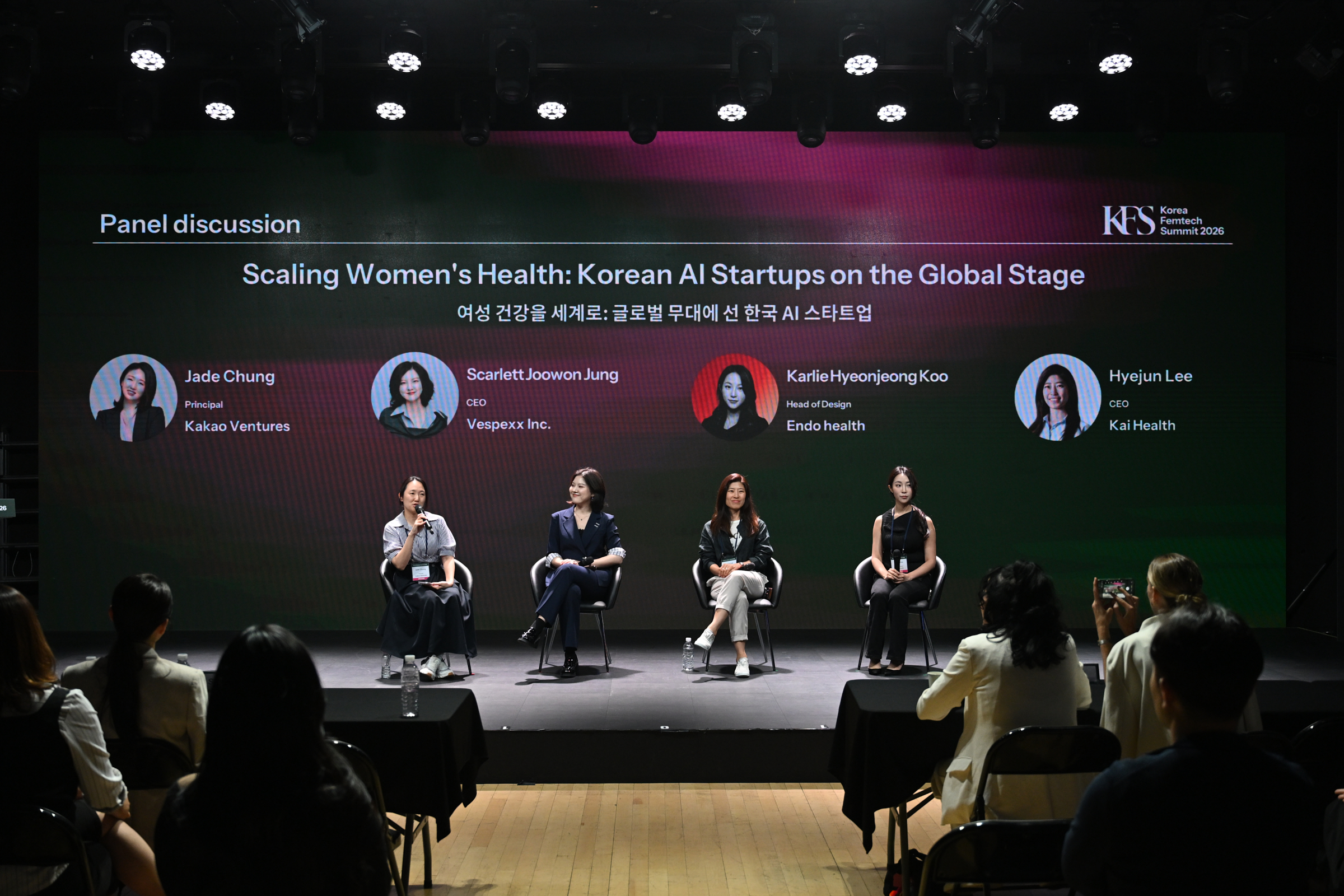
What two weeks of design thinking at Stanford changed about how we build Soonr.
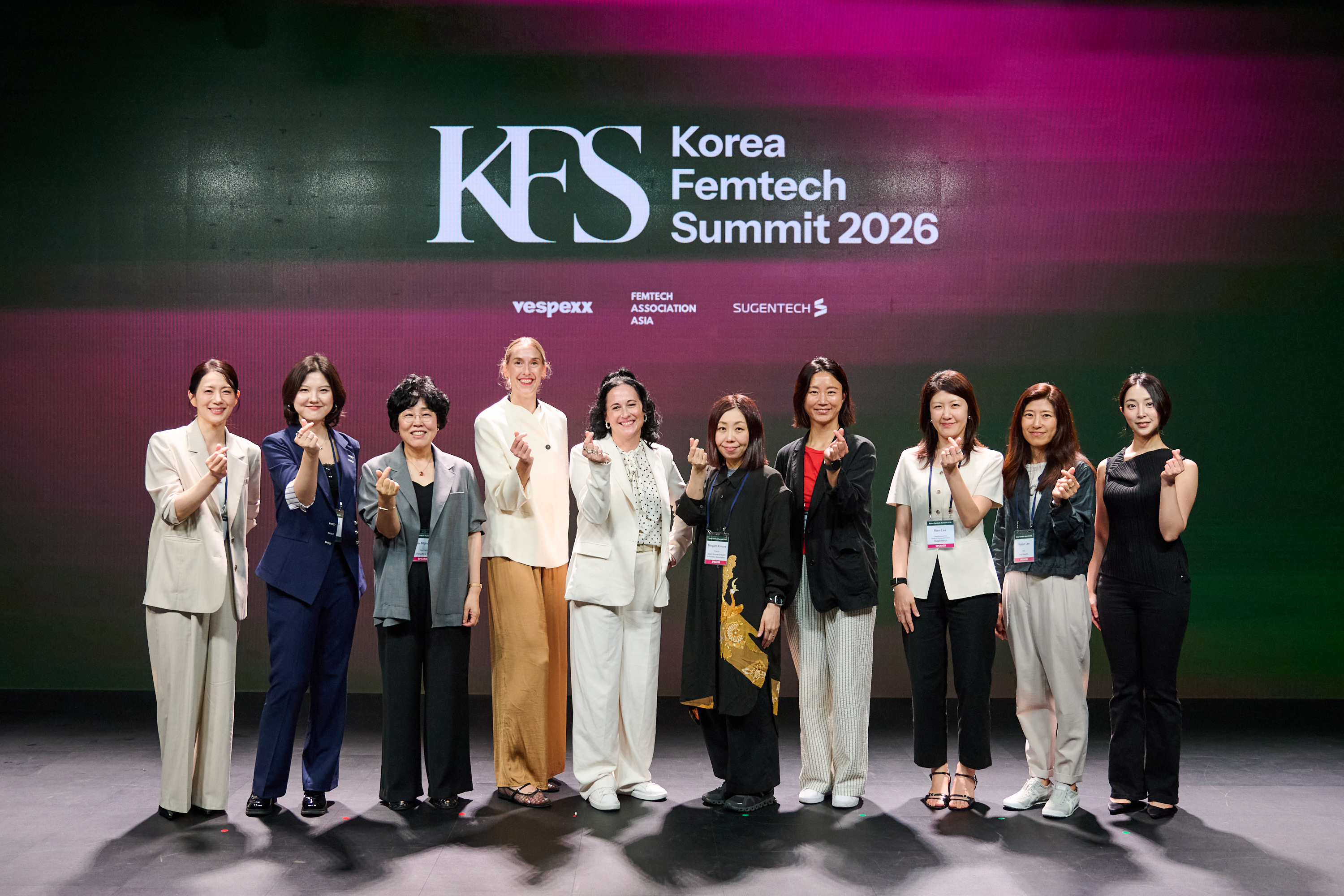
Vespexx spent two weeks this summer at Stanford's Center for Innovation and Design Research, as part of the Seoul Bio Hub program with top 10 selected healthcare companies. The format was a working one -studio sessions with d.school faculty, clinical and regulatory briefings, hospital and laboratory visits, and field research across the Bay Area.
Design thinking ran through all of it, from the first studio exercise to the clinical fieldwork at the end. The method has a direction to it. It moves your attention off the product you've built, onto the person using it, and finally onto the job that person is trying to get done. We went with specific questions about Soonr and the couples who use it. Here's what came back.
The opening session started with an uncomfortable statistic for startups - the most common reason startups fail is building something with no market need. Not building it badly. Building the wrong thing well.
The corollary was put more bluntly: the needs a team assumes its users have are wrong close to 99% of the time. Real needs sit below what people can articulate on request, which means the first discipline isn't solving. It's finding.
The example that framed it was Patricia Moore, a designer who spent years in prosthetics and makeup moving through American cities as an elderly woman, because the firm she joined designed only for healthy men in their thirties. What she learned in that condition led to the OXO Good Grips line, a product built around hands that don't grip well. She didn't survey anyone. She changed her position relative to the problem.
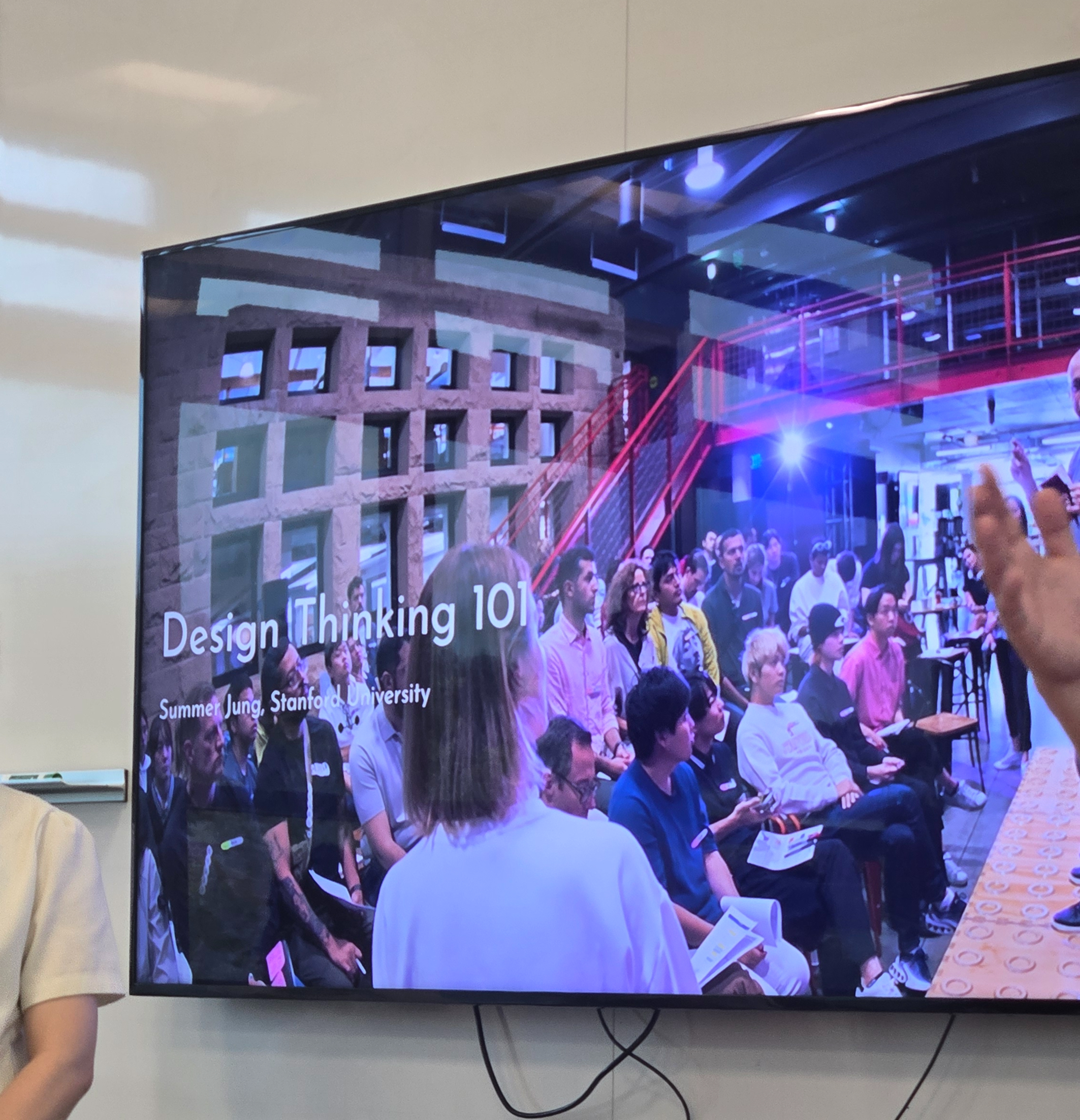
Two methods do that work. You immerse yourself in the user's situation, and you interview in a way that decodes how someone thinks rather than what they want.
The interview point had the sharper example. A student team designing a phone for a marine rescue unit interviewed the crew and found a consistent mental model they called the Plan B mindset: whatever plan you have, assume it fails when the emergency starts. So the team built a phone with a second, simpler phone inside it, carrying only GPS and core functions. No user asked for that. It came from understanding how those users reason under pressure.
The step most teams rush is writing down the need. The instruction was specific: one sentence, built around a person specific enough to picture, with the need stated as a verb.
The verb rule carries more weight than it appears to. The moment you write a need as a noun, "she needs an app that does X," you've embedded a solution and closed off everything else before you've started. State it as an action the person is trying to take, and the solution space stays open.
Two case studies showed what happens when you get the definition wrong, and both are worth repeating. A doctor in Nepal asked a Stanford team for cheaper incubators to save premature babies. When the team visited, his incubators sat empty, because most premature babies in the region were born in villages far from any hospital and never reached one. The need wasn't a cheaper incubator for a doctor. It was a way for a mother to keep her baby warm at home. That reframe produced the Embrace infant warmer.
In India, a team working in overcrowded hospitals noticed the beds were full of relatives rather than patients. Instead of designing around the overworked doctors, they trained those waiting family members in post-treatment care. Post-surgical complications dropped by 71%.
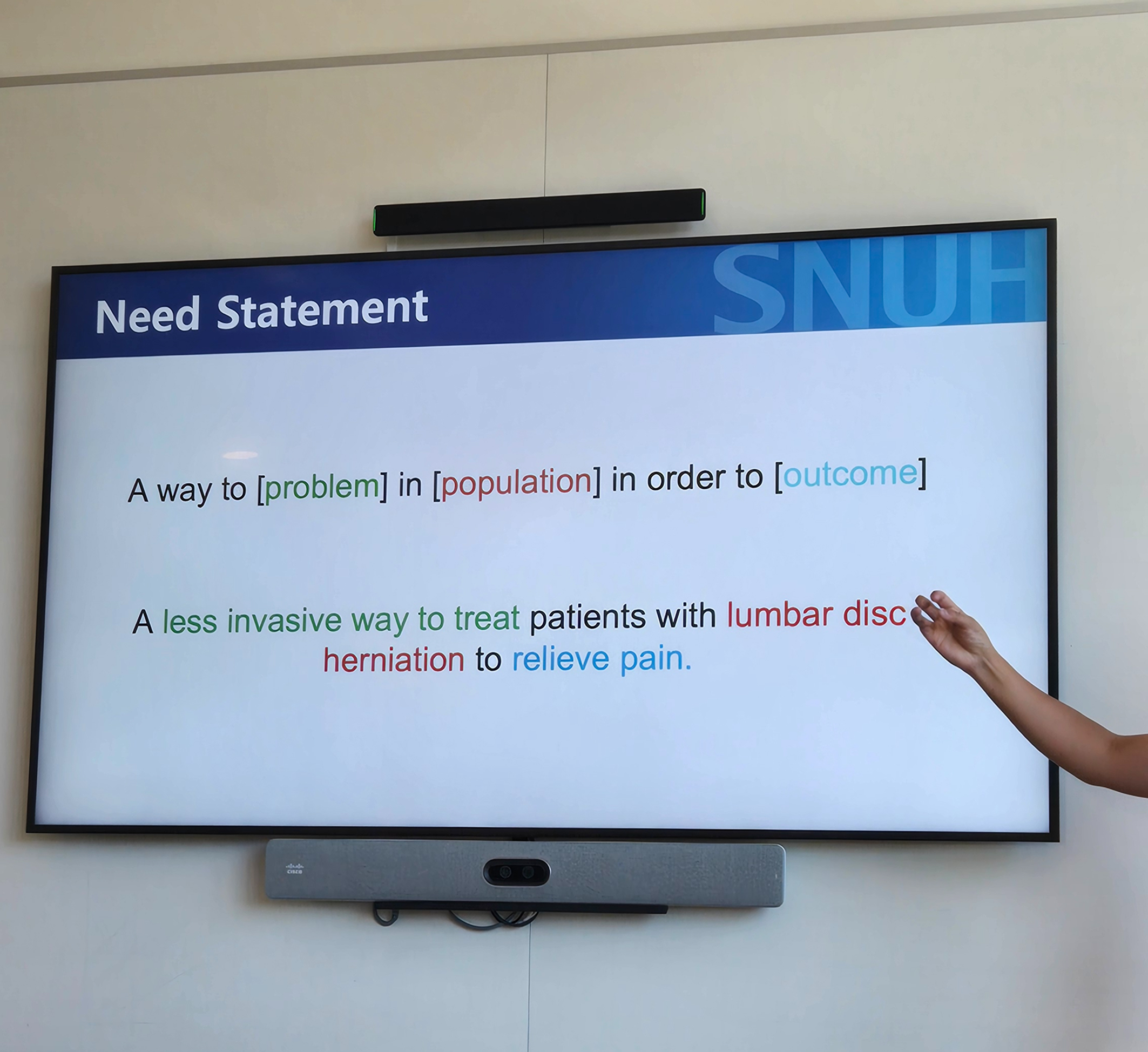
A need statement there has three components: the problem, the population, and the outcome. Explicitly no solution. The instructor was candid that as an engineer it took him more than a month to stop writing solutions into his need statements.
The Creative Gym sessions reframed prototyping as communication rather than construction.
The exercise that made the point: sculpt a paper bag to express one assigned word, tension, frustration, or infatuation. Everyone's interpretations diverged wildly, and the instructor could rarely guess which word a given object represented. The lesson she drew is that abstract words don't carry the same meaning between two heads, so if a team is aligned only verbally, it isn't aligned.
A second exercise made it concrete in a way that stayed with us. Each person studied the previous person's drawing for ten seconds, then redrew it from memory, one after another down a line. The image mutated at every step until the group's guess at the end bore no resemblance to the start. She called it a visual Pictionary telephone, and pointed out that this is precisely what happens to a product idea as it travels through an organization.
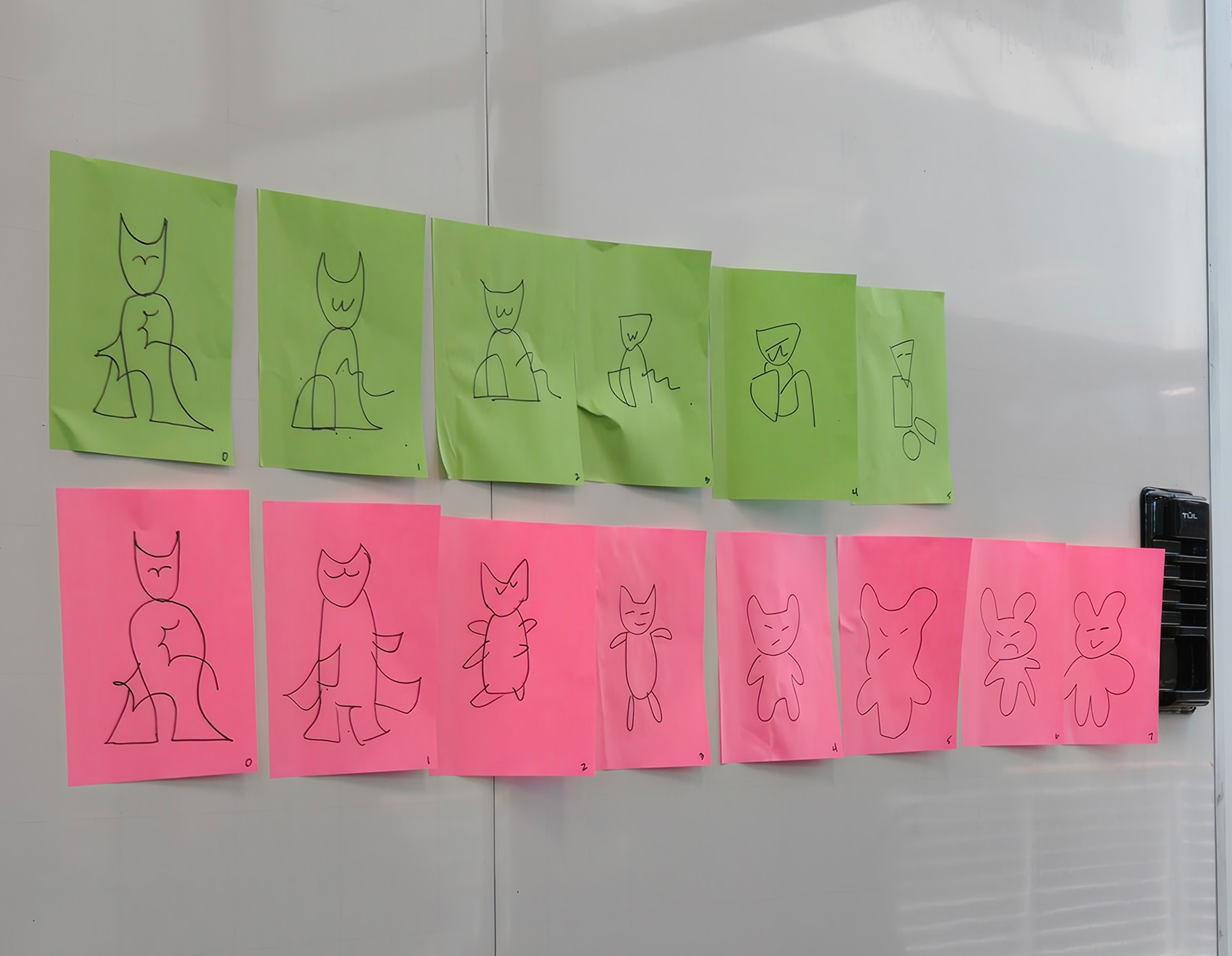
The counterexample was a team of biologists who couldn't work out why certain cells moved as they did under a microscope. They built giant paper models of the cells and physically moved them around a room over a weekend, and solved it. Making the thing visible did what discussion couldn't.
The instructor's framing of creativity was that it's a muscle rather than a trait, supported by published work from her team using fMRI to measure the effect of design training. The headline she took from it was "think less, do more."
The practical version is a cost argument. Show rough work at month two and correction is cheap. Show polished work at month seven and you've spent the intervening months building on an error. She ran an exercise where every mistake in a fast counting-and-clapping game was greeted with arms up and a "ta-da," which sounds silly and is doing something specific: making it socially safe to be wrong early, because teams that punish early mistakes get expensive late ones.
The whole loop got tested at the end. Working in pairs, each person had under an hour to interview their partner about how they move from sleep to being awake, synthesize the notes, write a problem statement, generate ideas, build a physical prototype from foil and paper, get feedback, iterate, and present. The output quality across the room was the argument. Constraint, not extra time, is what forces the process to actually run.
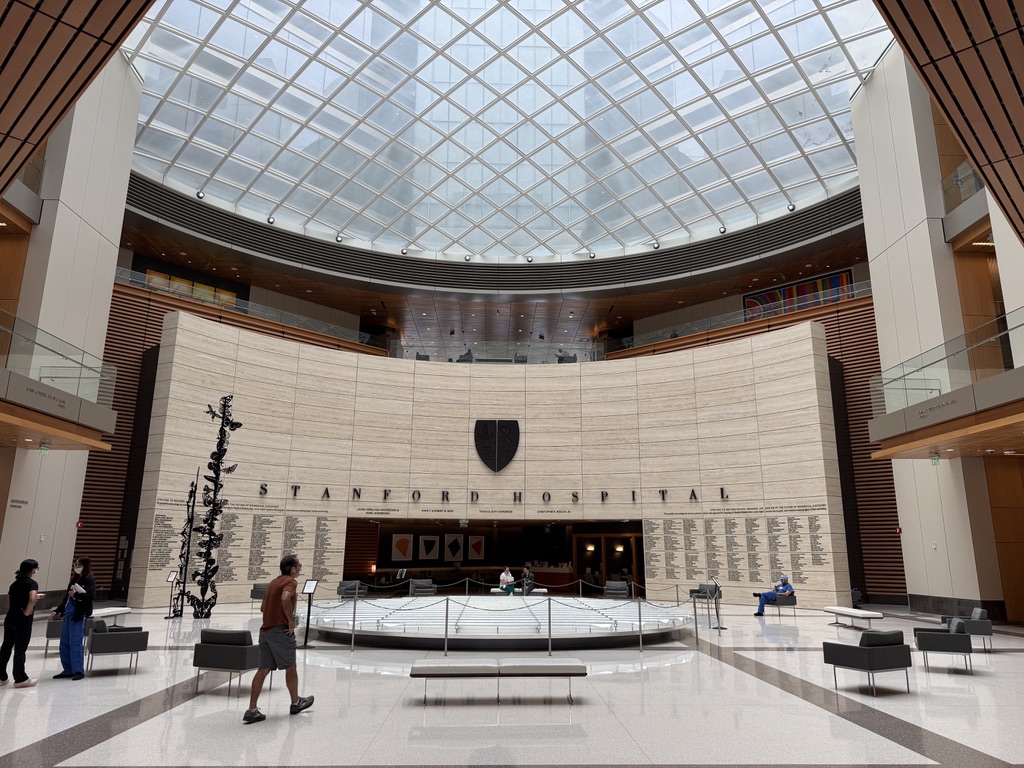
The field research is where the empathy discipline got used rather than discussed. We spent the program's clinical time understanding how fertility care actually moves in the US, rather than inferring it.
The path is more distributed than it looks from outside. People start at a primary or OB physician's office. The hospital enters for specific events, IVF procedures and delivery. Unless a patient is high-risk, their physician sees them at the office rather than the ward, and physicians rotate across facilities. There's a defined protocol governing which procedures happen in an office and which require a hospital. Underneath all of it sits a separate landscape of coverage, cost, and access that shapes what people actually do at each step.
This matters for a product like ours because timing is the substance of preconception guidance. Knowing where someone physically is in that path, and who they're talking to, changes what's useful to send them and when.
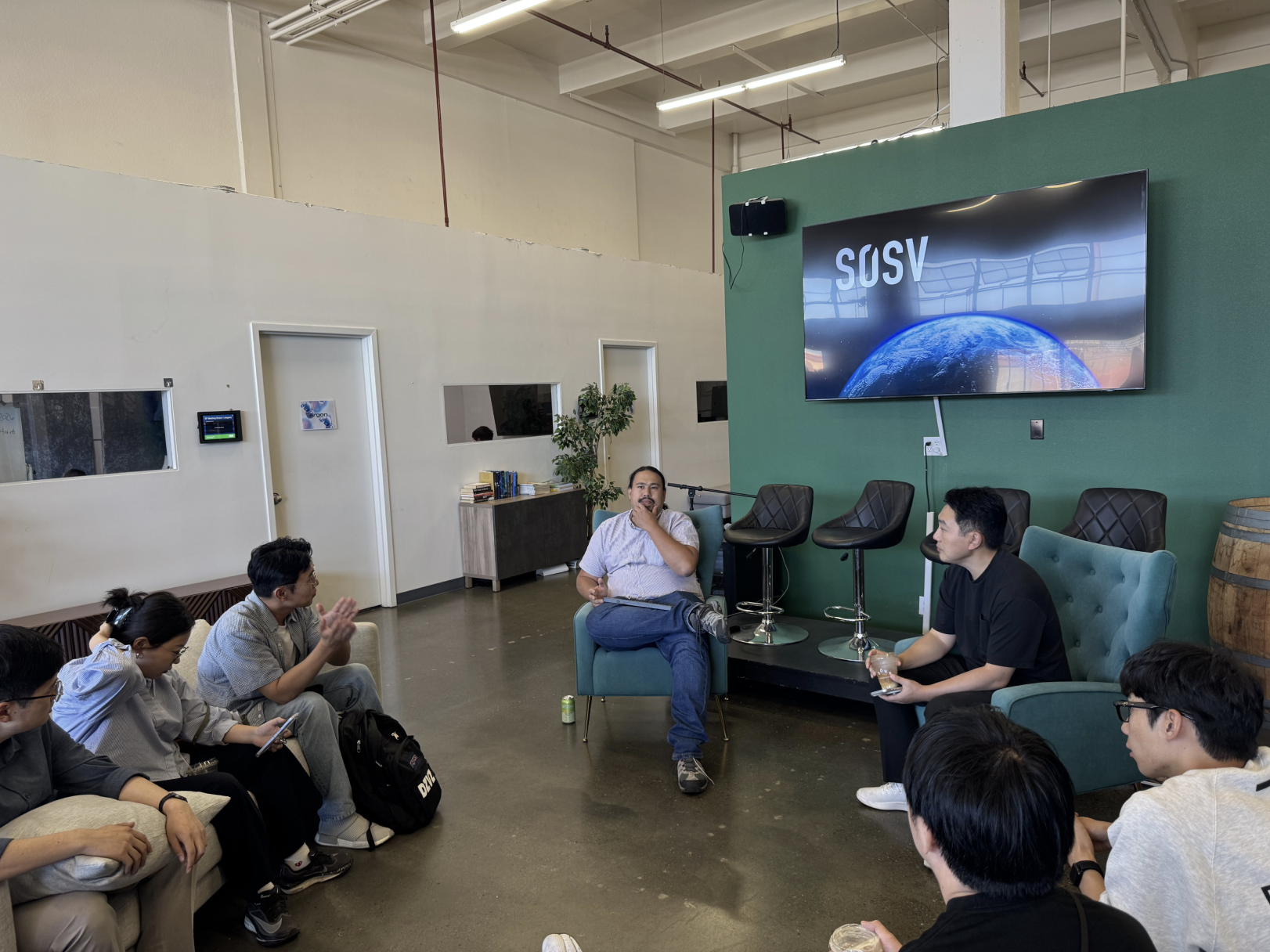
We met founders across the Bay Area who've moved deep science into live products, and sat in on how research collaborations and clinical partnerships get built there. Preconception is a category the ecosystem hasn't examined closely, so several of those conversations were genuinely two-directional, and a few are ongoing.
Our picture of the user's path is drawn from observation rather than assumption. And the job Soonr is doing, as distinct from the features it ships, is written down somewhere we'll actually reread.
All of it reduces to one instruction: find the person before you build the product. Soonr begins from a version of that question most of healthcare hasn't asked. Who is actually doing the work of preparing for a pregnancy?
The answer is two people. That's why Soonr coaches each partner and the couple together, so the plan is shared rather than carried alone. We call it dyadic health, and preconception is only where we're starting.
The same framework extends across a much wider spectrum of women's health. Over time our roadmap runs into sexual wellness, postpartum support, and eventually menopause and aging - always guided by the same principle. Women's health outcomes can improve when the people around her are part of the conversation.
Healthcare has spent decades building around the individual. The job, it turns out, belongs to the relationship.
Because she's been carrying it long enough. It's time the system shared the load.